The extreme climate crisis is no longer a distant warning. It is now part of everyday life for millions of people across the world. It is felt in the burning heat that makes sleep difficult, in sudden floods that wash through homes and streets, in storms that cut power and destroy crops, and in drought that leaves families worried about food and water. The extreme climate crisis is not only about weather. It is about health, safety, work, dignity, and the future people imagine for their children. Source
What makes the extreme climate crisis especially painful is that it touches daily life in quiet and powerful ways. A child misses school because roads are flooded. An older person struggles to breathe in dangerous heat. A farmer watches healthy soil turn dry and hard. A nurse works in a clinic under pressure as more people arrive with heat stress, infection, or anxiety after disaster. These are not isolated moments. They are signs of a wider emergency that is growing more visible each year. Source
Yet this is not only a story of fear. It is also a story of choice. The extreme climate crisis is forcing societies, leaders, and communities to ask deeper questions about how we build, grow, consume, and care for one another. If we respond with honesty and urgency, this difficult moment can become a turning point. It can push us toward cleaner systems, stronger communities, safer cities, and more respectful relationships with nature. Source
What Is the Extreme Climate Crisis?
The extreme climate crisis refers to the rising pattern of severe climate and weather shocks that are becoming more frequent, more intense, and more disruptive as the planet warms. This includes extreme heat, heavier rainfall, flooding, stronger storms, drought, wildfire conditions, and growing pressure on food, water, health systems, and livelihoods. The science is clear that human activity, especially greenhouse gas emissions, is driving these changes. Source
The IPCC explains that climate change is intensifying the water cycle. This means some places are seeing more intense rainfall and flooding, while others face more severe drought. The same warming trend is also increasing heat waves and extending hot seasons. Each rise in temperature brings higher risks for health, agriculture, and ecosystems. In simple terms, the extreme climate crisis means danger is arriving faster and hitting harder. Source
Why the Extreme Climate Crisis Feels More Personal Today
One reason the extreme climate crisis feels different today is that people are no longer only hearing about it in reports. They are living it. Families are making decisions around heat, water, food prices, transport, and safety. Workers are losing income after storms. Parents are checking the sky with worry. Communities are rebuilding more often than before. The climate story has moved from conference halls into kitchens, farms, schools, and clinics. Source
The World Health Organization warns that climate change is already contributing to humanitarian emergencies from heatwaves, floods, storms, and wildfires. It also affects mental health, infectious disease risk, nutrition, and access to care. This matters because the extreme climate crisis is not only about physical damage. It also creates emotional pressure, uncertainty, displacement, and long recovery periods for families with the fewest resources. Source
This is why climate justice must be part of the conversation. Those who contribute least to global emissions are often the first to suffer and the least equipped to recover. Poorer communities, informal workers, children, older adults, and people with health conditions often carry the heaviest burden. An honest response to the extreme climate crisis must therefore be ethical, inclusive, and fair. Source
What the Extreme Climate Crisis Looks Like in Everyday Life
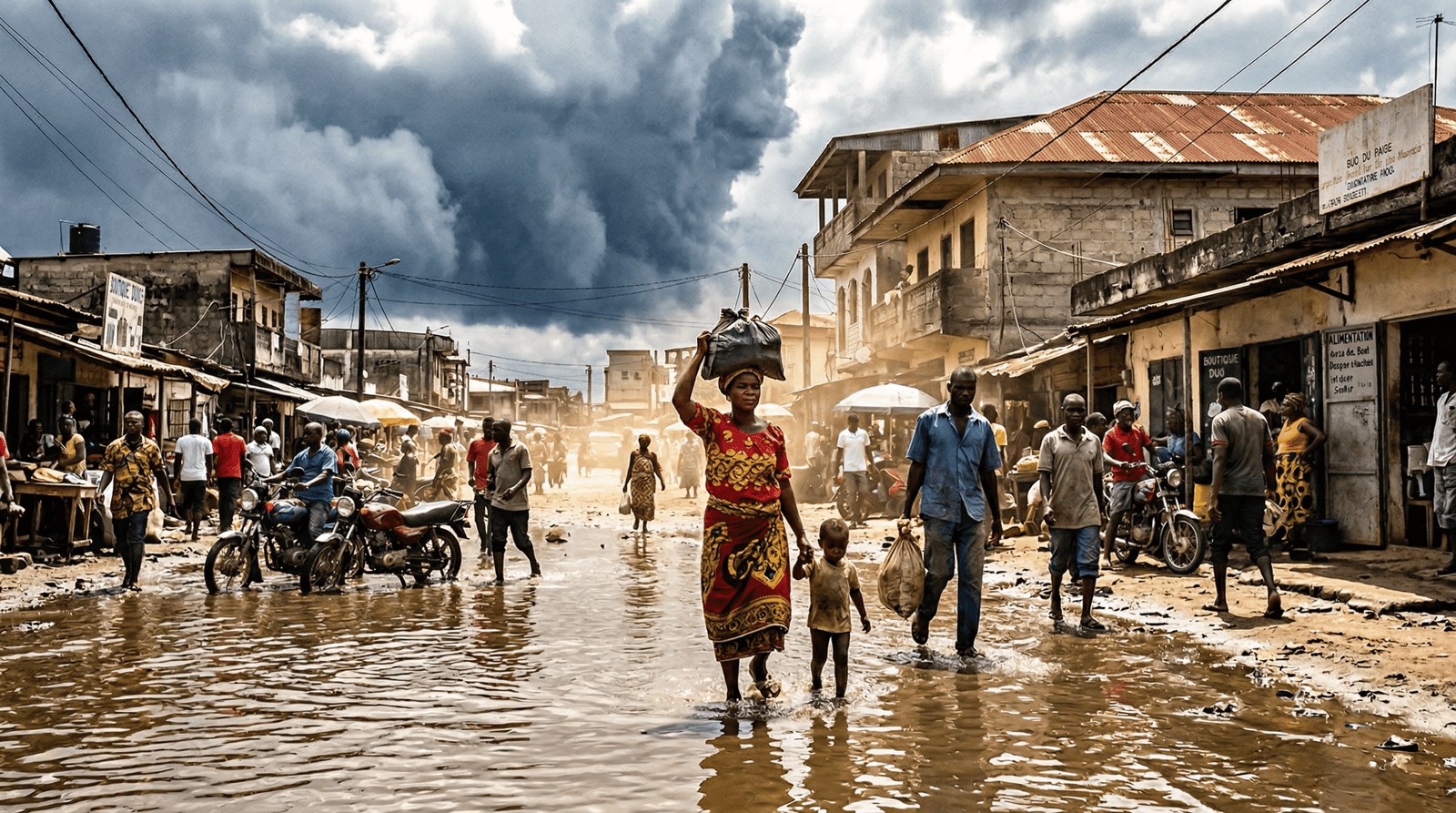
The extreme climate crisis shows up in ordinary routines. In a hot season, a family may sleep badly for several nights because indoor temperatures stay high after sunset. A market vendor may lose goods after flash floods. A teacher may see half the class absent after a storm damages roads or homes. A small farmer may spend more money on water and still harvest less. These lived experiences help us understand that climate change is not abstract. It is practical, economic, and deeply human. Source
Health is one of the clearest ways people feel the crisis. Extreme heat can cause exhaustion, dehydration, and even death. Flooding can increase the spread of water-borne disease. Food systems suffer when crops fail, when transport is cut, or when water becomes scarce. The WHO also notes that climate stress harms mental health and weakens already fragile health systems. Source
Children and young people often experience the extreme climate crisis with a mix of fear and resilience. They may lose school days, study in unsafe heat, or grow up with constant uncertainty about the future. But they also bring energy, creativity, and moral clarity. A better climate response should protect them now and involve them in shaping the future. Source
Why Urgent Action Still Matters
Urgent action matters because the damage from the extreme climate crisis is not fixed at one level. The risks grow with every fraction of warming. The United Nations stresses that each increase in temperature leads to rapidly escalating hazards, including more intense heatwaves and heavier rainfall. In other words, delay is costly. Action taken now can still reduce suffering later. Source
Urgent action also matters because adaptation works. The UN Environment Programme notes that early warning systems can sharply reduce damage when people receive timely alerts before a heatwave, storm, or flood. Better planning, stronger infrastructure, restored ecosystems, and smarter water systems can all save lives and reduce long-term losses. The extreme climate crisis is serious, but it is not beyond response. Source
Practical Solutions for a More Resilient Future
1. Build Strong Early Warning Systems
Communities need information before disaster strikes. Good early warning systems help people move livestock, protect homes, prepare clinics, close unsafe roads, and evacuate when needed. Even one day of warning can make a real difference. This is one of the most practical responses to the extreme climate crisis because it turns knowledge into protection. Source
2. Protect Water, Food, and Public Health
Water security is central to resilience. Better irrigation, reduced water loss, rainwater harvesting, and careful local planning can help communities face drought and irregular rainfall. Strong health systems are equally important. Hospitals and clinics must be ready for heat stress, floods, disease outbreaks, and mental health needs. A serious response to the extreme climate crisis must protect both bodies and livelihoods. Source Source
3. Restore Nature as a Protective Partner
Nature is not separate from safety. Urban trees can cool neighborhoods. Wetlands can absorb water. Mangroves can reduce storm surge. Healthy soils can hold moisture and support farming. Ecosystem restoration offers an ethical and sustainable path forward because it protects people while healing damaged landscapes. It reminds us that responding to the extreme climate crisis is not only about concrete and machines. It is also about living systems. Source
4. Design Cities and Infrastructure for Real Climate Risk
Roads, drainage systems, bridges, power lines, schools, and hospitals must be built or upgraded for the climate reality we now face. The World Bank emphasizes that resilient development and targeted adaptation can reduce climate losses. Safe housing, basic services, and decent infrastructure are not luxuries. They are the foundation of resilience in an age of extreme climate crisis. Source
A Renewed Perspective: From Survival to Shared Purpose
There is a deeper lesson inside the extreme climate crisis. It shows that progress without care is fragile. Growth without resilience is incomplete. Development without ethics leaves too many people exposed. This moment invites a renewed perspective, one that values prevention as much as response, community wisdom as much as technology, and long-term wellbeing as much as short-term gain. Source
This renewed perspective is also hopeful. Communities around the world are already adapting. Some are restoring ecosystems. Some are improving water systems. Some are redesigning public spaces to reduce heat and flood risk. Others are investing in better planning and stronger local response. These actions may seem simple, but together they show that the answer to the extreme climate crisis is not helplessness. It is collective resilience built step by step. Source Source
Conclusion: The Time to Respond Is Now
The extreme climate crisis is one of the defining realities of our time. It is already changing how people live, work, travel, farm, heal, and hope. It is a hard truth, but it can also become a turning point. If leaders act with integrity, if communities are supported with real tools, and if societies choose sustainability over delay, this crisis can lead to a stronger and fairer future. Source
We do not need to wait for perfect conditions to begin. We can start with early warnings, stronger local planning, cleaner systems, restored ecosystems, and more inclusive policies. The path forward is not easy, but it is clear. In the face of the extreme climate crisis, courage means acting before the next disaster, not only recovering after it. That is how resilience grows. That is how hope becomes practical. Source Source
Editorial Note
This article reflects The Global Current’s commitment to providing empowering and actionable insights for public awareness, social resilience, and sustainable progress. Our coverage of the extreme climate crisis aligns with our core values of integrity, respect, and empowerment. We believe that by connecting urgent climate realities to practical and ethical solutions, communities, leaders, and institutions can build resilience, protect human dignity, and create a safer and more sustainable future.