The Sudan humanitarian crisis: 1,000 days, a broken state, and a new center of gravity
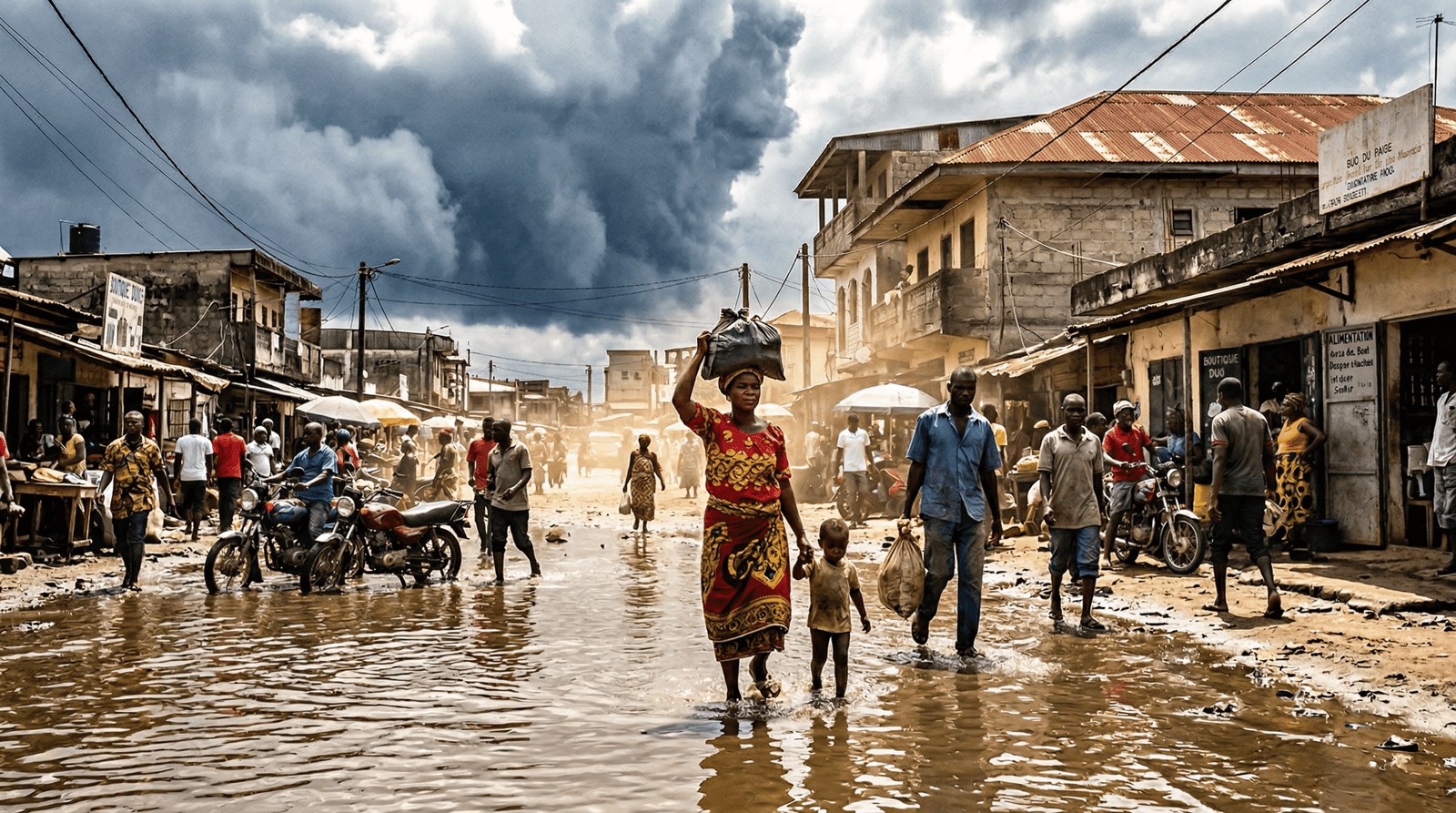
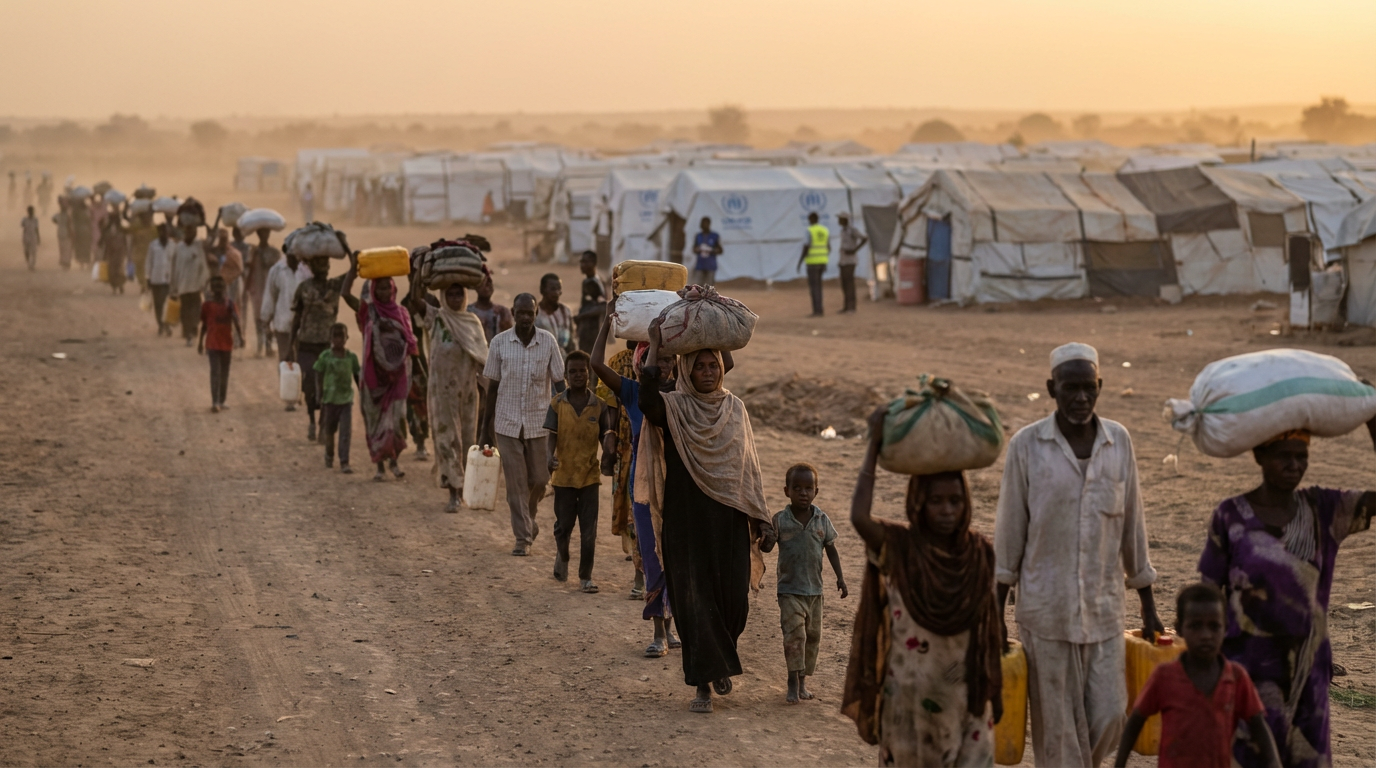
The Sudan humanitarian crisis is no longer a “temporary emergency.” By January 2026, the war has crossed 1,000 days, and the country’s core public systems have buckled under violence, displacement, and blocked access. For millions of people, the question is not “how can services improve?” It is “who is still here to keep us alive?”
That is why the Sudan humanitarian crisis is also a leadership story. Not the kind told in boardrooms, but the kind shaped in besieged neighborhoods, damaged hospitals, and crowded IDP sites. This is where Emergency Response Rooms (ERRs)—community-led, decentralized aid networks rooted in Sudan’s nafeer tradition—have become a frontline lifeline.
And this is where purpose-driven leadership matters: it turns confusion into direction, fear into discipline, and exhaustion into shared commitment. In a crisis defined by fragmentation, purpose becomes the most practical form of coordination.
The Sudan humanitarian crisis in 2026: what the numbers are really saying
In early 2026, the Sudan humanitarian crisis is defined by three overlapping shocks: hunger, collapse of health services, and mass displacement.
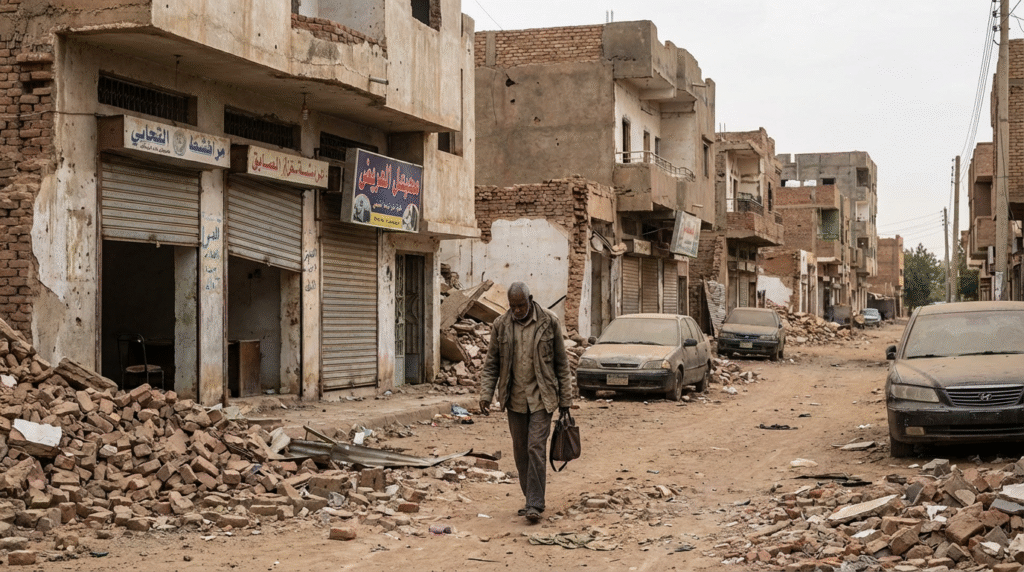
Health and aid needs are staggering. WHO reporting around the 1,000-day mark notes that an estimated 33.7 million people will need humanitarian aid in 2026, and that 37% of health facilities remain non-functional. WHO also verified 201 attacks on health care since April 2023. These are not background details—they shape whether a child gets treatment, whether a clinic can reopen, and whether a volunteer risks arrest just by carrying supplies. Source
Food security is equally severe. A January 2026 FEWS NET analysis warns that Famine (IPC Phase 5) has occurred in Al-Fasher and Kadugli, and that famine is possible in Dilling, where evidence is limited due to access constraints. The report also highlights the way siege conditions and looting sever normal survival options. Source
When people hear “crisis,” they often imagine shortage. The Sudan humanitarian crisis is more than shortage. It is a system where access is a weapon, and time is a threat.
What is Purpose-Driven Leadership?
Purpose-driven leadership is a model where leaders inspire and motivate teams by connecting daily tasks to a larger, meaningful mission. In the Sudan humanitarian crisis, that mission is simple, shared, and urgent: protect life, preserve dignity, and keep services running when institutions have collapsed.
Purpose-driven leadership is not “inspiring language.” It is operational clarity:
- It helps teams decide what to do first when everything is urgent.
- It reduces harmful competition between actors.
- It supports ethical choices under pressure.
- It protects trust, which is the real currency in the Sudan humanitarian crisis.
When purpose is clear, coordination gets easier. When purpose is fuzzy, even well-funded efforts can fail.
Why purpose-driven leadership is essential in the Sudan humanitarian crisis
Purpose-driven leadership matters in every workplace. But in the Sudan humanitarian crisis, it becomes a survival tool.
First, it protects focus. Many responders are forced to work across health, food, protection, and logistics at the same time. A clear “why” prevents mission drift.
Second, it protects people. In settings where volunteers are targeted, purpose-driven leadership supports discipline around neutrality, safeguarding, and confidentiality. This reduces risk for both responders and communities.
Third, it supports resilience. The Sudan humanitarian crisis is not a short sprint. People burn out. Networks break. A shared mission helps teams keep going without losing their humanity.
The ERR model: purpose-driven leadership already in action
Emergency Response Rooms (ERRs) are not just local partners. In many places, they are the only functioning delivery network left. They operate through neighborhood legitimacy, social trust, and rapid problem-solving.
That purpose-driven edge is visible in real examples like Al Nao Hospital in Omdurman, where local staff and volunteers helped restore services under extreme danger. MSF describes how volunteers scouted routes under fire so medicines could reach the hospital, and how Al Nao became a “critical node” in a collapsing health system—treating tens of thousands of trauma patients while remaining a target. Source
In practice, ERRs often cover what the formal system cannot:
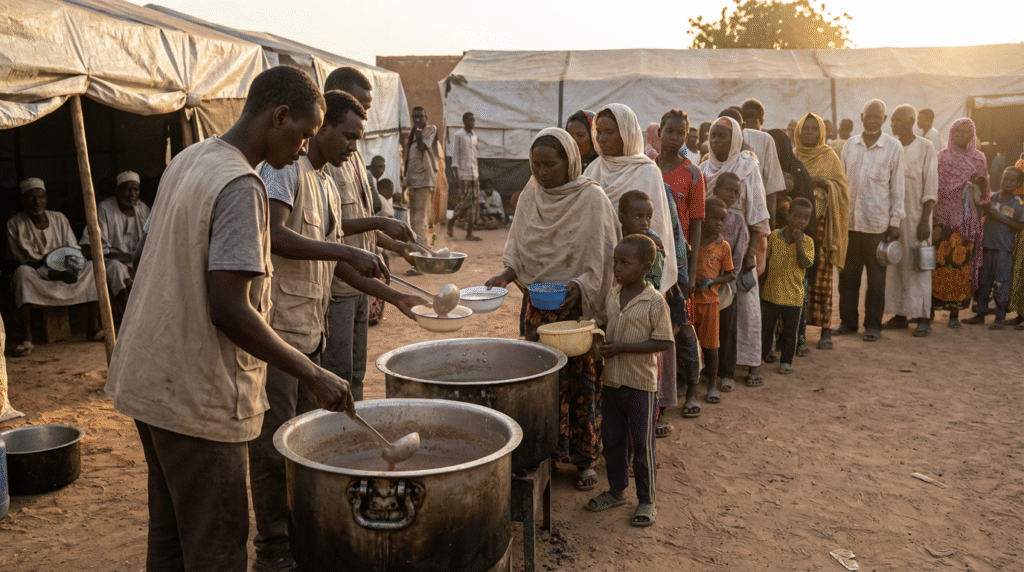
- Shared kitchens and food access when markets collapse
- Basic health support and referrals during sieges
- WASH fixes that prevent outbreaks
- Protection actions like evacuations and dignified burials
This is purpose-driven leadership at street level: neighbors organizing to keep neighbors alive.
Red Zones vs Amber Zones: leading with purpose, not one-size-fits-all plans
A key lesson from the Sudan humanitarian crisis is that strategy must match security reality.
Red Zones: survival leadership under siege
In high-conflict areas, the “why” becomes narrow: stop death now. In these zones, trauma response, famine mitigation, and emergency movement matter most. FEWS NET’s famine warning in Al-Fasher and Kadugli reflects how siege conditions can push entire communities past the point of coping. Source
Amber Zones: stabilization leadership to prevent collapse
In lower-conflict receiving areas, the “why” expands: sustain displaced families, protect host communities, and prevent responder burnout. This is where ERR fatigue and debt traps can quietly break the pipeline that supports harder-to-reach areas.
Purpose-driven leadership helps here because it validates “unseen work”: restocking, tracking, mentoring, and maintaining trust.
A strategic framework for integration: making ERRs central without suffocating them
To respond to the Sudan humanitarian crisis at scale, international coordination can integrate ERRs through three practical pillars. The goal is not to “NGO-ize” ERRs. The goal is to strengthen what already works.
Pillar 1: Flexible funding that matches reality
Many ERRs operate in cash-and-debt conditions. They borrow from merchants to keep kitchens open, then wait for slow funding flows. A purpose-driven funder asks: “What keeps you alive and operational next week?” not “What fits our template?”
Practical moves:
- Fund operating costs, not just projects
- Support debt relief tied to transparent local verification
- Provide in-kind essentials that reduce cash pressure
Pillar 2: Security and safeguarding as a shared responsibility
The Sudan humanitarian crisis includes systematic threats to responders. Reuters reporting shows volunteers running communal kitchens faced theft, intimidation, arrests, and harassment, and that support can increase targeting risks if not handled safely. Source
Purpose-driven leadership in this pillar means: protect the people who deliver the mission.
Practical moves:
- Digital hygiene and data minimization
- Low-profile transfer methods and risk-aware reporting
- Advocacy for medical neutrality and safe movement
Pillar 3: Capacity building through mentorship, not control
ERRs already have expertise. The gap is often tools, time, and continuity.
Practical moves:
- Mentoring on lightweight M&E and inventory systems
- Peer learning between rooms across states
- Support for area-based coordination that keeps decisions local
The ethical “why”: how to lead without harming
The Sudan humanitarian crisis creates moral pressure: people want to help fast, and that urgency is real. But speed without ethics can cause harm.
Purpose-driven leadership keeps four ethical lines clear:
- Neutrality: aid is not a reward or punishment
- Dignity: people are not “beneficiaries,” they are partners in survival
- Safety: data and visibility can get people killed
- Sustainability: short funding cycles can collapse long responses
In Sudan, the most respectful coordination often looks quieter: fewer headlines, better protection, and steady support.
Conclusion: a humanitarian reset built on purpose
The Sudan humanitarian crisis is now a long emergency, not a brief shock. That reality forces a choice. The international system can keep trying to lead from the top, even as access shrinks. Or it can lead with purpose—supporting the actors who still reach the last mile.
If 2026 is a “humanitarian reset,” it will not succeed through bigger meetings alone. It will succeed when flexible funding, responder protection, and mentorship-based coordination help ERRs keep doing what they already do: hold communities together when the state cannot.
Purpose-driven leadership does not solve the Sudan humanitarian crisis by itself. But it can align people, reduce waste, protect trust, and keep life-saving work moving—one neighborhood at a time.
Editorial Note
This article reflects The Global Current’s commitment to providing empowering and actionable insights for personal and professional growth. The principles of purpose-driven leadership align with our core values of integrity, respect, and empowerment. We believe that by fostering a connection to a deeper purpose, leaders can unlock their full potential and inspire a new beginning for their teams and organizations.