When you spot a $5 T-shirt on the rack, your first thought might be “What a bargain!” But have you ever wondered about the real story behind that price tag? The truth is, fast fashion comes with costs that extend far beyond what we pay at the checkout. From devastating environmental damage to human exploitation, the fast fashion industry operates on a model that sacrifices our planet and people for profit. Every year, millions of consumers worldwide snap up cheap clothing without realizing they’re participating in a system that’s anything but cheap. This article pulls back the curtain on the fast fashion industry to reveal what your bargain really costs and, more importantly, what you can do about it. Understanding these hidden truths is the first step toward making choices that benefit both you and the world around us.
Understanding Fast Fashion: The Speed Cycle That’s Costing Us Everything
Fast fashion refers to the rapid production of inexpensive clothing that mimics the latest runway trends. Brands push out new collections every few weeks, encouraging consumers to constantly buy more. This business model thrives on speed and volume rather than quality and durability.
The statistics paint a sobering picture. We now produce twice as much clothing as we did 20 years ago. Yet paradoxically, we wear each item 36% less than before. This means clothes are being made at breakneck speed, worn briefly, and then discarded. The result? A cycle of consumption that’s unsustainable for our planet and exploitative of workers.
The appeal of fast fashion is understandable. Who doesn’t want to look stylish without breaking the bank? However, this affordability is an illusion. The real costs are simply being paid elsewhere—by our environment, by workers in developing countries, and ultimately, by future generations.
The Environmental Toll of Fast Fashion
Water Consumption: Draining Our Most Precious Resource
Consider this startling fact: producing just one cotton T-shirt requires approximately 2,700 liters of water. That’s enough drinking water for one person for 900 days! Multiply this by the billions of garments produced annually, and the fast fashion industry’s water footprint becomes staggering.
Cotton cultivation, which supplies much of the textile industry, is incredibly thirsty. In regions already facing water scarcity, fashion production competes with local communities for this vital resource. The Aral Sea in Central Asia, once the world’s fourth-largest lake, has shrunk to a fraction of its former size—largely due to cotton irrigation.
Carbon Emissions: Fashion’s Climate Crisis Contribution
The fast fashion industry contributes roughly 4% of global greenhouse gas emissions. This might sound modest until you realize it’s equivalent to the combined emissions of France, Germany, and the United Kingdom. From manufacturing processes to transportation and retail operations, every stage of a garment’s journey leaves a carbon footprint.
Synthetic fabrics like polyester, which dominate fast fashion, are derived from petroleum. Their production releases significant amounts of carbon dioxide. Additionally, the industry’s reliance on global supply chains means garments often travel thousands of miles before reaching store shelves, burning fossil fuels along the way.
Textile Waste: A Growing Mountain of Discarded Dreams
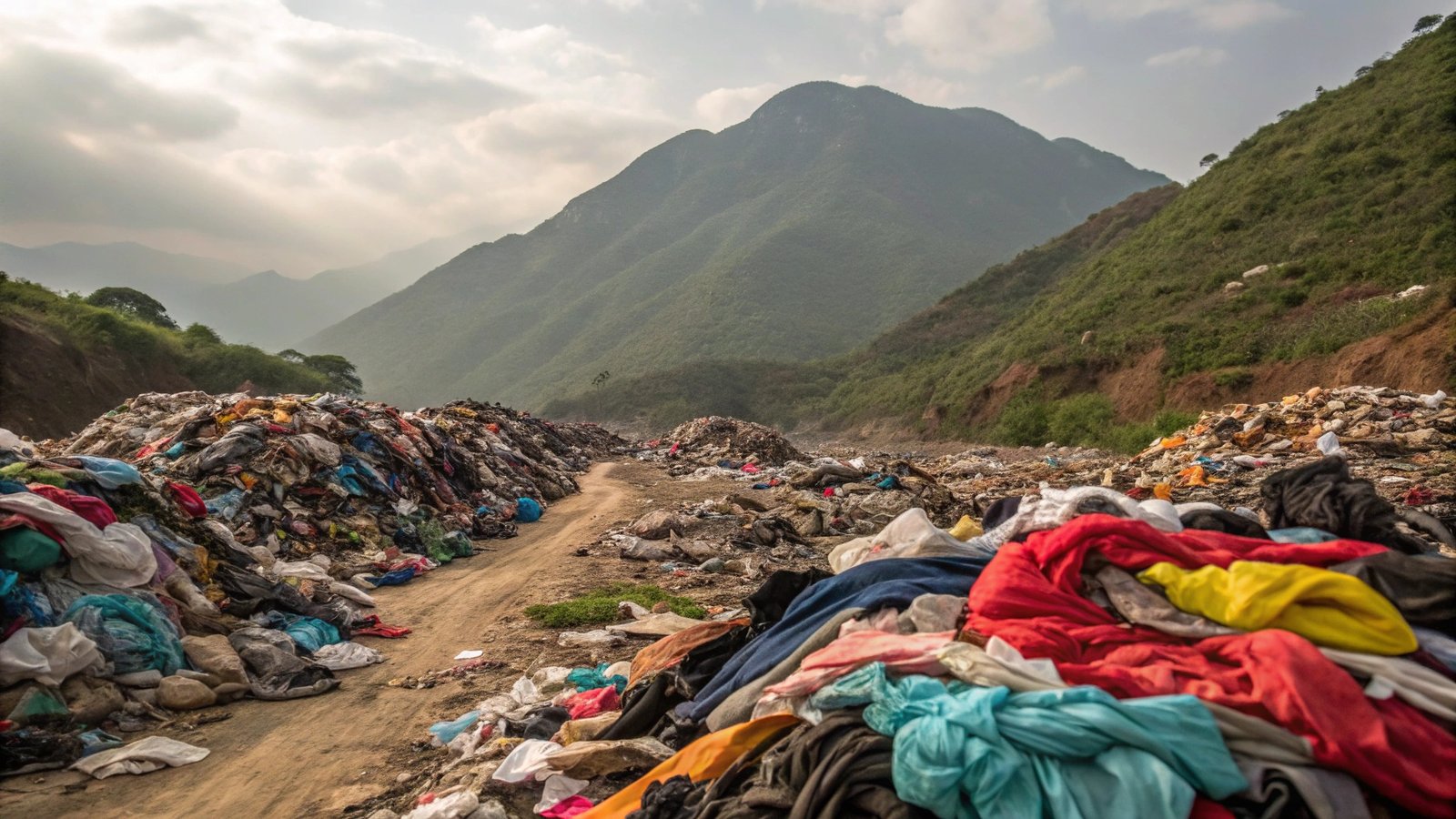
Each year, millions of tons of clothing end up in landfills. In fact, a garbage truck full of clothes is burned or dumped in a landfill every second. The rapid turnover encouraged by fast fashion means items are designed to be disposable rather than durable.
What makes this worse is that only about 1% of clothing materials are recycled into new garments. The rest accumulates in landfills, where synthetic fabrics can take hundreds of years to decompose. During this time, they release toxic chemicals into the soil and water.
Labor Exploitation and Ethical Concerns in Fast Fashion
The Human Cost Behind Every Seam
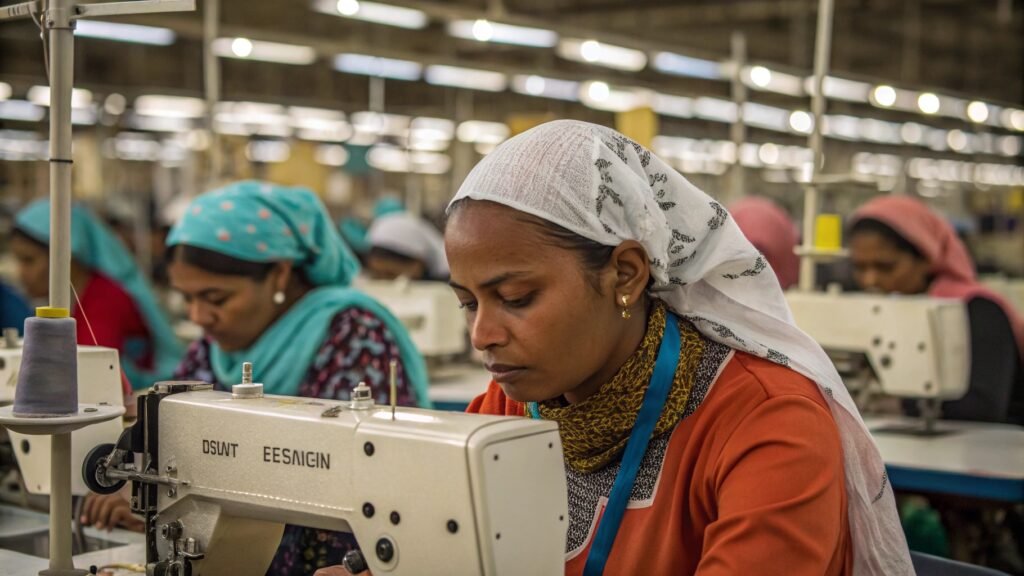
Behind your $5 T-shirt are real people working in conditions most of us would find unacceptable. The fast fashion industry employs approximately 60 million workers globally, predominantly women in developing countries. Many work long hours in unsafe environments for wages that don’t cover basic living expenses.
The 2013 Rana Plaza disaster in Bangladesh, where a factory building collapsed killing over 1,100 garment workers, brought international attention to these conditions. This tragedy highlighted how the pressure to produce cheap clothing fast creates dangerous shortcuts in safety standards. Unfortunately, despite increased awareness, working conditions in many factories remain far from acceptable.
The Living Wage Gap
One of the most troubling aspects of fast fashion is that most workers cannot prove they earn a living wage. A living wage means earning enough to afford basic necessities like food, housing, healthcare, and education. Many garment workers earn less than $3 per day, forcing them into poverty despite working full-time.
Major brands often claim they’re improving conditions, but transparency remains limited. Complex supply chains make it difficult to trace exactly where and how garments are made. This opacity allows exploitation to continue hidden from consumer view.
Forced Labor and Modern Slavery
Recent investigations have exposed forced labor practices in cotton production, particularly concerning Uyghur workers in China. The Uyghur Forced Labor Prevention Act aims to prevent products made with forced labor from entering markets. However, enforcement remains challenging.
The reality is that when we purchase fast fashion at rock-bottom prices, someone, somewhere is paying the difference. That someone is often a vulnerable worker with few alternatives and no voice in the system.
The Plastic Problem: Microfibers and Ocean Pollution from Fast Fashion
Invisible Pollution Washing Into Our Oceans
Approximately 60% of clothing today is made from synthetic materials like polyester, nylon, and acrylic. These fabrics are essentially plastic. Every time you wash a synthetic garment, it sheds thousands of tiny plastic fibers called microfibers.
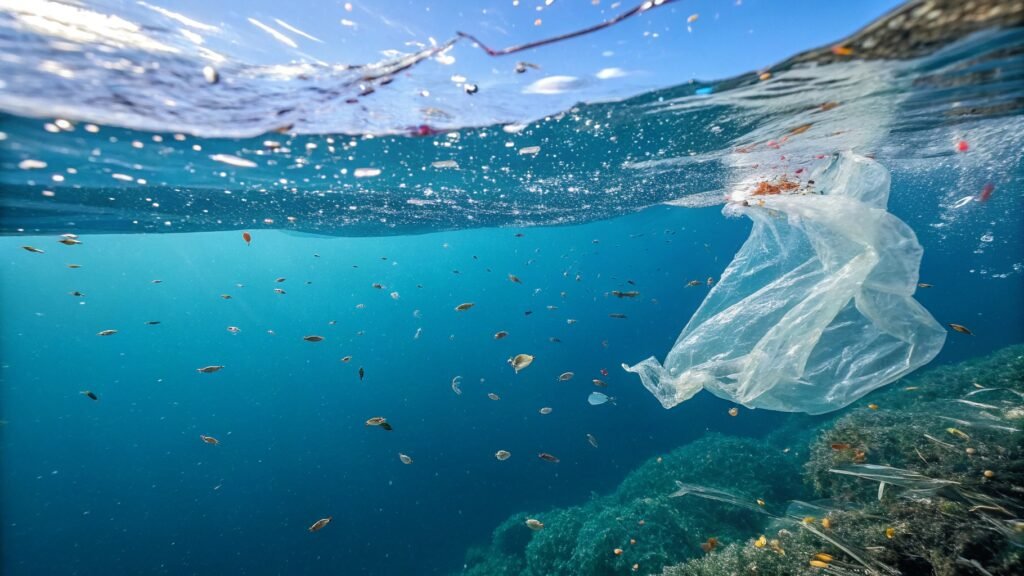
These microfibers are too small for wastewater treatment plants to filter out. They flow directly into rivers and oceans, where they accumulate in massive quantities. Scientists estimate that textile washing releases about half a million tons of microfibers into the ocean annually—equivalent to more than 50 billion plastic bottles.
The Food Chain Connection
Microfibers don’t just float harmlessly in water. Marine animals mistake them for food, ingesting plastic particles that can block their digestive systems and introduce toxins into their bodies. As smaller fish are eaten by larger ones, these plastics accumulate up the food chain—eventually reaching the seafood on our plates.
Studies have found microplastics in fish, shellfish, and even sea salt. The fast fashion industry’s reliance on cheap synthetic fabrics means we’re all consuming plastic particles originating from discarded clothing. The full health implications are still being studied, but early findings are concerning.
A Problem That Won’t Wash Away
Unlike natural fibers that biodegrade, synthetic microfibers persist in the environment for decades or even centuries. Once released, there’s no practical way to remove them from the ocean. This means every synthetic garment we’ve ever washed has contributed to an accumulating pollution problem that will outlast us by generations.
The tragedy is that this pollution is largely invisible. We don’t see the microfibers when we do laundry, so the fast fashion environmental crisis remains out of sight and out of mind for most consumers.
Sustainable Solutions: Creating a Better Future Beyond Fast Fashion
Government Action and Regulatory Change
Governments worldwide are beginning to recognize the fast fashion problem and implement solutions. France’s Ajac law, for example, prohibits brands from destroying unsold clothing. Instead, items must be donated or recycled. This simple regulation forces companies to reconsider overproduction strategies.
The European Union is developing comprehensive eco-design rules that will require clothing to meet sustainability standards. These include durability requirements, recyclability criteria, and digital product passports that track a garment’s environmental impact throughout its lifecycle.
Such regulations shift responsibility from individual consumers to the corporations profiting from fast fashion. While consumer choices matter, systemic change requires corporate accountability enforced through policy.
The Power of Consumer Choices
You don’t need to wait for regulations to make a difference. Simple changes in how you buy and care for clothing can significantly reduce your fashion footprint. Research shows that doubling the number of times you wear a garment reduces its carbon, water, and waste footprint by nearly half.
Consider these practical steps:
Buy Less, Choose Better: Instead of ten cheap items, invest in a few quality pieces that will last years rather than months. Quality garments from sustainable brands may cost more upfront but prove economical over time.
Care for Your Clothes: Proper washing, drying, and storing extends clothing life dramatically. Wash clothes less frequently (most items don’t need cleaning after every wear), use cold water, and air dry when possible. Learn basic mending skills to repair minor damage instead of discarding items.
Explore Secondhand and Vintage: Thrift stores, consignment shops, and online resale platforms offer quality clothing at affordable prices. Buying used prevents garments from ending up in landfills while avoiding the environmental costs of new production.
Support Ethical Brands: More companies now prioritize sustainability and fair labor practices. Research brands before purchasing. Look for certifications like Fair Trade, GOTS (Global Organic Textile Standard), or B Corp status that indicate genuine commitment to ethical practices.
The Circular Fashion Movement
The future of fashion lies in circularity—designing garments that can be repaired, reused, and ultimately recycled into new items. Some innovative brands now offer repair services, take-back programs, and clothing made entirely from recycled materials.
Technology is enabling new possibilities. Chemical recycling processes can break down old textiles into raw materials for new fabrics. Rental and subscription services allow fashion variety without ownership. These models challenge the fast fashion assumption that we must constantly buy new clothes.
Education and Awareness
Perhaps the most powerful tool against fast fashion is awareness. Share what you’ve learned with friends and family. Discuss the true costs of cheap clothing. Support organizations working for garment worker rights and environmental protection.
Young people especially are driving change, demanding transparency and sustainability from brands. Social media campaigns highlighting fast fashion problems have pressured companies to improve practices. Your voice and choices contribute to this growing movement.
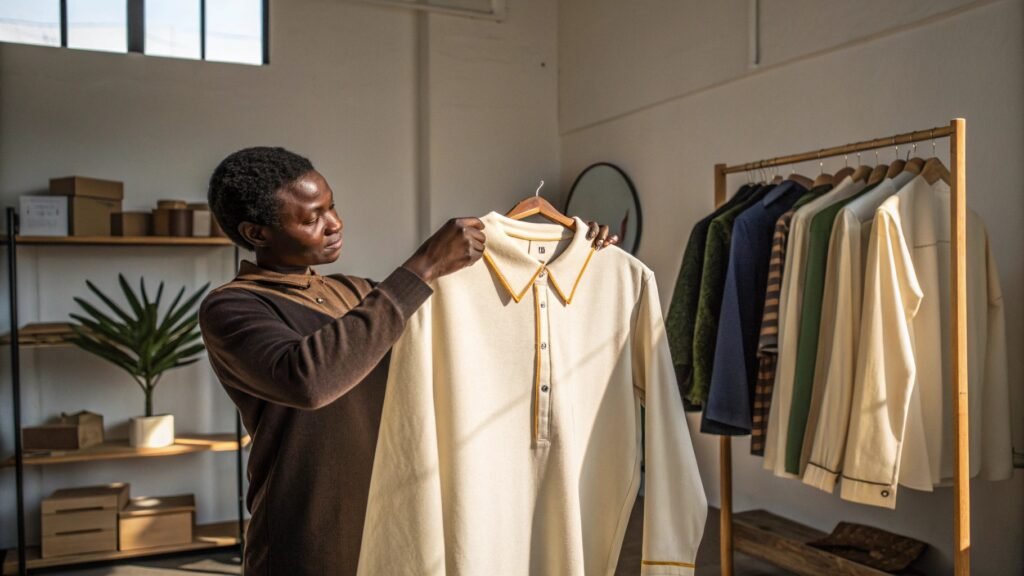
Building Your Sustainable Wardrobe: Practical Action Steps
Transitioning away from fast fashion doesn’t mean sacrificing style or spending a fortune. It means being more intentional about what you buy and how you care for it.
Audit Your Current Wardrobe: Before buying anything new, assess what you already own. You might rediscover forgotten favorites or realize you have more than enough. Understanding your actual needs prevents impulse purchases.
Define Your Personal Style: When you know what you genuinely like, you’re less susceptible to fleeting trends that fast fashion promotes. A cohesive personal style means fewer purchases and more wear from each item.
Set Buying Criteria: Establish standards for new purchases. Will you wear it at least 30 times? Does it match multiple items you already own? Is it made from sustainable materials? These questions create intentional purchasing habits.
Embrace the 30-Day Rule: When tempted by an item, wait 30 days. If you still want it after a month, it’s likely a thoughtful purchase rather than an impulse. Often, the desire fades, saving money and reducing consumption.
Learn From Each Purchase: Pay attention to which items you wear repeatedly and which languish unworn. This feedback helps refine future buying decisions, gradually building a wardrobe you truly use and love.
Conclusion: The Choice Is Ours
That $5 T-shirt isn’t cheap—it never was. The price we see simply doesn’t include the environmental destruction, worker exploitation, and ocean pollution built into every seam. The fast fashion industry has externalized these costs, making them invisible at checkout but very real in their consequences.
However, this isn’t a story without hope. Change is possible and already happening. Governments are implementing regulations. Innovative companies are proving that ethical, sustainable fashion can be profitable. Most importantly, consumers like you are demanding better and making choices that reflect values beyond price tags.
Every purchase is a vote for the kind of world we want to live in. By choosing quality over quantity, sustainability over disposability, and ethics over exploitation, we collectively reshape the fashion industry. The transition away from fast fashion won’t happen overnight, but it’s happening—one conscious choice at a time.
The hidden costs of fast fashion are finally coming to light. Now that you know the truth behind your $5 T-shirt, what will you do differently? The power to change this system lies in our collective hands. Choose wisely, wear proudly, and know that your decisions matter more than you might think.
Editorial Note
This article reflects The Global Current’s commitment to providing empowering and actionable insights for personal and professional growth. The principles of sustainable fashion and ethical consumption align with our core values of integrity, respect, and empowerment. We believe that by fostering awareness of the true costs of our choices, consumers can unlock their full potential to create positive change and inspire a new beginning for an industry that has long prioritized profit over people and planet. Through informed decisions and collective action, we can support a fashion system that values both environmental sustainability and human dignity.