A landmark settlement signals a seismic shift in federal oversight of universities and raises urgent questions about
academic autonomy
Columbia University has agreed to pay $221 million to resolve allegations from the Trump administration that it failed to properly address antisemitism on its campus. The settlement, announced Wednesday, represents one of the largest civil rights agreements in higher education history and marks a decisive shift in the relationship between the federal government and academic institutions.
What Happened?
The Trump administration had frozen $400 million in federal grants to Columbia, essentially cutting off critical funding for one of America’s top
research institutions. Under the new agreement, Columbia will regain access to most of those frozen funds, plus billions in future federal
funding that keeps the university operating.
“We carefully explored all options open to us. This settlement, while substantial, protects our position as a world-leading research institution.”
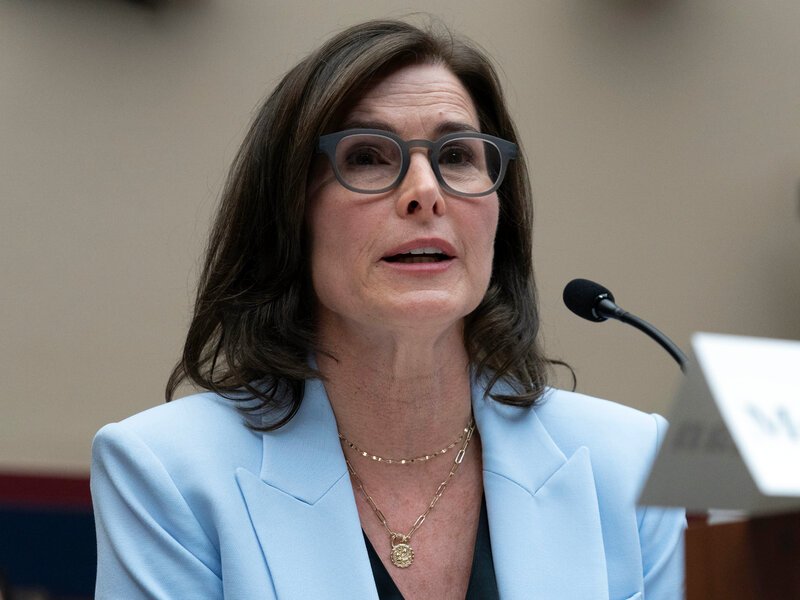
Claire Shipman, Columbia’s acting president, acknowledged the settlement was “substantial” but necessary to protect the university’s research mission. The deal came after months of escalating tension between the university and federal officials following protests related to the October 2023 Hamas attacks and subsequent campus demonstrations.
Breaking Down the Settlement
The financial agreement includes two main components:
-$200 million paid to the federal government over three years
-$21 million to settle claims from the Equal Employment Opportunity Commission regarding alleged discrimination against Jewish employees
In exchange, Columbia has committed to several important changes:
- Increasing campus safety with at least 36 security officers with arrest powers
- Reforming student disciplinary procedures, moving responsibility from Faculty Senate to the Office of the Provost
- Creating a more inclusive environment for Jewish students, including hiring a dedicated student liaison
- Maintaining merit-based admissions standards and providing detailed data on admissions decisions
- Banning masked demonstrations and enforcing “strict rules against disruptive protests”
- Comprehensive review of Middle East-related departments by a new vice provost
- Ending programs that promote what the agreement calls “unlawful efforts to achieve race-based outcomes, quotas and diversity targets”

Why This Matters
This settlement sets a significant precedent for how universities handle discrimination claims and respond to federal pressure. It demonstrates the substantial leverage the federal government holds through its control of research funding, which is essential for major universities.
Education Secretary Linda McMahon celebrated the agreement as a “template for other universities around the country,” saying that “Columbia’s reforms are a roadmap for elite universities that wish to regain the confidence of the American public by renewing their commitment to truth-seeking, merit and civil debate.”
“The very real danger is that if elite institutions choose to submit to the authority of the Trump administration, the whole rest of the industry will follow.”
For Columbia students and faculty, the agreement means the restoration of critical research dollars, but also brings new oversight and policy changes that will affect campus life and academic programs. The settlement reflects broader tensions in higher education about balancing free speech, campus safety, and ensuring all students have access to harassment-free learning environments.
The Timeline of Pressure
October 2023: Hamas attacks trigger pro-Palestinian student encampments and counter-protests
April 2024: Campus protests spread nationwide from Columbia
August 2024: Columbia President Minouche Shafik resigns amid ongoing turmoil
March 2025: Federal government freezes over $400 million in Columbia’s research funding
April 2025: White House presents Columbia with terms for a binding consent decree
May 2025: Federal investigators find Columbia in violation of civil rights rules
June 2025: Education Department warns Columbia could lose its accreditation
July 2025: Columbia announces the $221 million settlement
Expert Reactions
The response from higher education experts has been swift and often critical. Many see the settlement as a dangerous precedent that threatens the traditional autonomy of universities.
Todd Wolfson, president of the American Association of University Professors, called it “an unprecedented disaster,” declaring that “never in the history of our nation has an educational institution so thoroughly bent to the will of an autocrat.”
David Pozen, a Columbia law professor, wrote that “the agreement gives legal form to an extortion scheme” and warned that Trump “intends to reach comparable agreements with other schools—to scale the Columbia shakedown into a broader model of managing universities deemed
too woke.
“This settlement subverts our democracy and capitulates to the Trump plan to target the pillars of our democracy: the judiciary, the free press, and our education systems.”
Some conservative higher education experts acknowledged the settlement lacked due process but argued Columbia deserved the stipulations and financial penalty. Frederick Hess, director of education policy studies at the American Enterprise Institute, said: “When campuses like Columbia and Harvard allowed antisemitism to run amok, the consequences were going to follow. The chickens had come home to roost.”
Lynn Pasquerella, president of the American Association of Colleges and Universities, warned the settlement “represents the upending of a decades-long partnership between the government and higher education in which colleges and universities nevertheless retained academic freedom, institutional autonomy and shared governance.
The Jewish Student Experience
Lost in the political theater is the very real pain that prompted these investigations. Columbia’s own Antisemitism Task Force documented hundreds of testimonies from Jewish students describing harassment, intimidation, and a hostile campus environment following October 7th.
A survey found that nearly two-thirds of Jewish students at Columbia felt unaccepted after October 7, with over half reporting experiencing religious discrimination. These aren’t abstract civil rights violations—they’re real students whose educational experience was compromised.
The EEOC settlement specifically addressed “severe or pervasive antisemitic conduct—like vandalism, assaults, death threats, violent slogans
and symbols, disruptive and violent protests in violation of campus policies, and preventing faculty and staff from accessing their place of work.”
“Antisemitism at Columbia is real. It has a tangible impact on Jewish students’ sense of safety,belonging, and their civil rights.”

Looking Forwarde
Columbia now faces the challenge of implementing these reforms while maintaining its academic independence. The university emphasized that the agreement formalizes changes it had already begun implementing in March.
For other universities facing similar scrutiny, Columbia’s decision to settle rather than pursue lengthy litigation offers an important case study in weighing financial stability against institutional autonomy. Harvard University has chosen a different path, fighting similar pressure in court, setting up a high-stakes legal battle that could determine whether this approach to federal oversight becomes the new normal.
The ripple effects are already visible. The University of Pennsylvania quickly reached its own deal with the Trump administration following Columbia’s settlement. Education Secretary McMahon has made it clear that federal investigators are currently probing 60 colleges and universities for Title VI violations “relating to antisemitic harassment and discrimination.”
As this story continues to develop, the true impact of the settlement will become clearer – both for Columbia’s campus community and for higher education institutions nationwide. What’s at stake goes beyond one university’s policies to fundamental questions about academic freedom, federal oversight, and the relationship between politics and education in America.
Editorial Note: This article presents factual information about Columbia University’s settlement with the Trump administration based on public statements and reporting. It aims to provide context and analysis of this significant development in higher education. For more information on how this settlement affects academic freedom, you can visit AL JAZEERA and The Guardian websites.