Introduction: When Purpose Meets Productivity
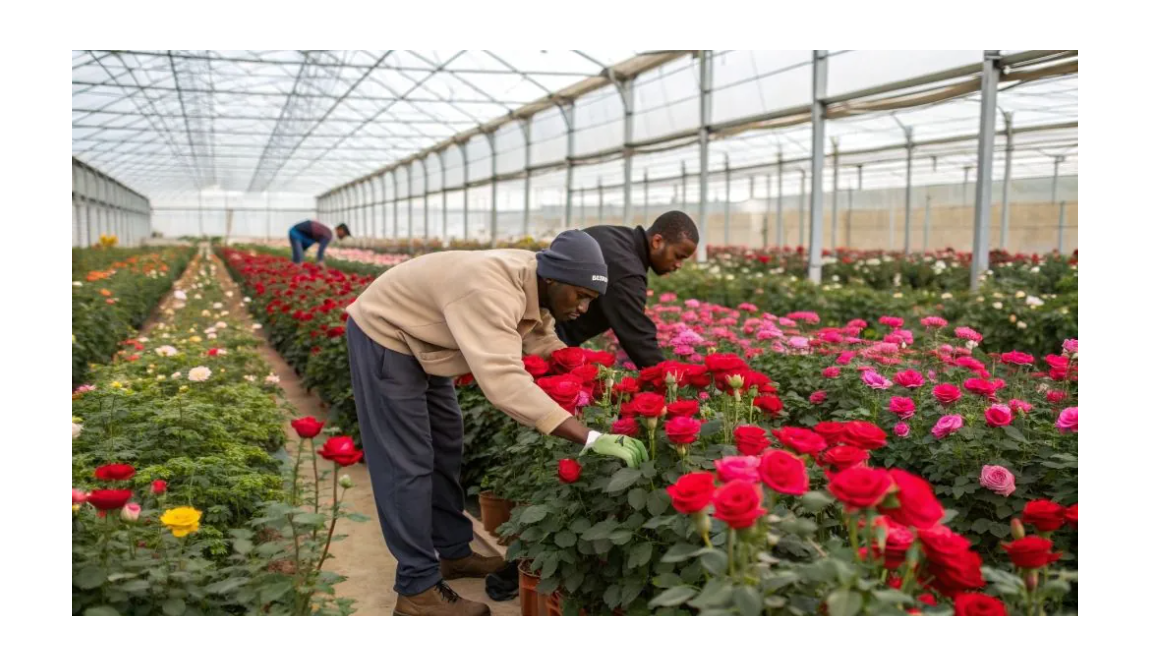
The story of Ethiopia horticulture exports is no longer a footnote in African trade. It has become a powerful signal. When a country can move fresh flowers, fruits, and vegetables across borders at speed, it reveals discipline. It shows strong farming practices, reliable logistics, clear standards, and committed leadership.
At the same time, Zimbabwe prepares for what many forecasts describe as a record tobacco season. This is not just about output. It shows coordination, farmer support systems, and clear national intent.
What connects these two stories? Both value chains succeed when people share a strong reason to show up and do hard things well, every day. That is purpose-driven leadership in action. It means aligning daily work with a bigger “why.” Then leaders use that “why” to guide decisions when costs rise, weather shifts, or markets tighten.
The Hard Numbers Behind Ethiopia’s Export Momentum
In the current Ethiopian fiscal year’s first seven months, Ethiopia horticulture exports earned $288.48 million. The country exported 160,317.79 tons of products. These include flowers, fruits, and vegetables. The figures come from the Ministry of Agriculture via Ethiopia News Agency.
Performance and Challenges
The same performance was reported by Addis Standard. However, the report also noted stakeholder concerns. Infrastructure and logistics bottlenecks can slow growth. Leaders must fix these issues now.
Full-Year Success Story
At the same time, Ethiopia horticulture exports are being framed as a full-year success. The Ethiopian Horticulture Producer Exporters Association (EHPEA) reports $564.89 million in revenue over the past fiscal year. They highlight quality and sustainability as key parts of the sector’s market appeal.
This is not just growth. It is proof that systems are being built, improved, and defended.
Zimbabwe’s Tobacco Season: What “Record” Really Means
Zimbabwe’s tobacco marketing season opens with auctions on March 4, 2026. Contract sales begin on March 5, 2026. This information comes from reports citing the Tobacco Industry and Marketing Board (TIMB).
Understanding the Output Projections
Multiple credible reports point to a potentially record tobacco season. However, they do not all use the same target figure.
Ecofin Agency reports “initial projections” targeting a 360,000-ton harvest. This is above last season’s record of 354,881 tons. The report notes that tobacco sales generated nearly $1.2 billion in 2024/2025.
Higher Projections from Official Sources
AllAfrica reports TIMB commentary that the 2026 crop is projected at about 400 million kg. It also cites increased planted area to about 164,536 hectares.
A separate Zimbabwean outlet, summarizing a Tobacco Reporter piece, also repeats a projection of 400 million kg. It adds market details. These include softer China demand and stronger performance in Europe.
The Clean Fact-Check Takeaway
Zimbabwe is preparing seriously for a very large season. Whether it becomes a “record” depends on the final result. It may land nearer 360 million kg or closer to 400 million kg.
Either way, the preparation signals strong leadership. It shows coordination across the value chain.
What Purpose-Driven Leadership Looks Like in Export Agriculture
Purpose-driven leadership is a model where leaders inspire teams. They connect daily tasks to a larger, meaningful mission. It shifts attention from only “what we sell” to “why we exist.” This includes impact on people and communities.
In export agriculture, the “why” is not a poster on a wall. It becomes a working tool.
How Ethiopia Demonstrates Purpose in Practice
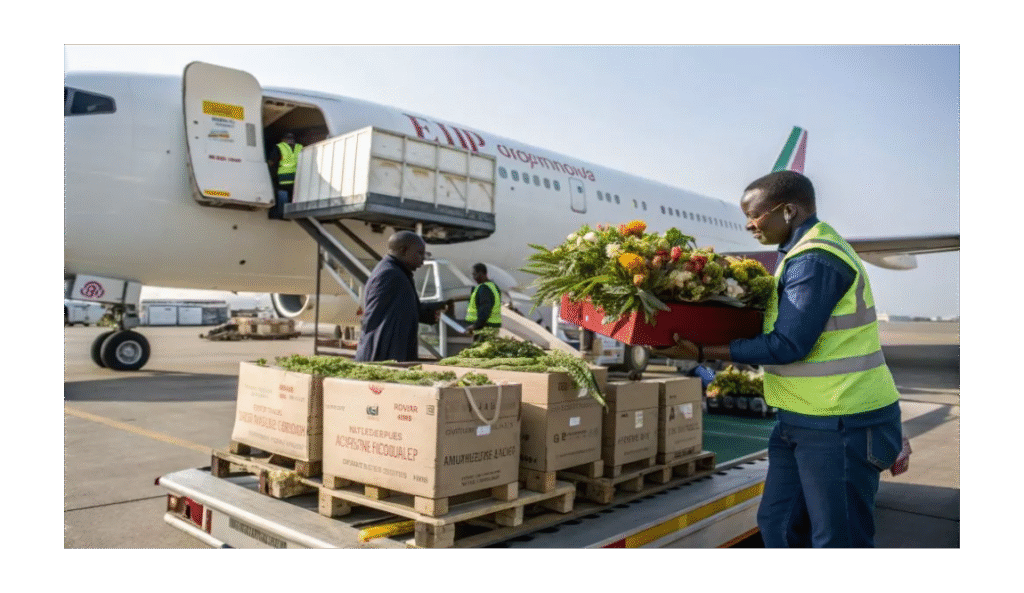
In Ethiopia horticulture exports, the work depends on several critical factors. These include cold chain discipline, reliable air cargo, farm compliance, worker wellbeing, and honest coordination. Public and private actors must work together.
When Ethiopia’s Ministry of Agriculture calls consultative meetings, that is a leadership choice. Leaders review performance and remove bottlenecks. They treat exporters and investors as partners, not as isolated players.
How Zimbabwe Builds Trust Through Systems
In Zimbabwe’s tobacco chain, the “why” often shows up as trust. Farmers need confidence that sales will open on time. They need to know that rules will be stable. Payments must flow fast.
TIMB readiness statements and the focus on logistics signal something important. The system understands the human side of output.
Why Purpose Matters More Than Ever
As one leadership expert notes, “Purpose-driven leadership is the answer to the disengagement crisis.” It attracts top talent. It inspires innovation. It fosters teams that feel truly invested in their work’s impact.
That idea applies even more in agriculture. Agriculture runs on people’s stamina.
Ethiopia Horticulture Exports: The “Why” That Keeps Quality Consistent
If you manage a team in agriculture, logistics, export, or policy, Ethiopia horticulture exports offer a practical lesson. A shared purpose reduces waste.
Purpose as a Daily Practice
When purpose is clear, a packhouse team does not only “meet today’s shipment.” They protect a national reputation. When a logistics officer solves a cold chain break, they are not only fixing a delay. They are protecting jobs, incomes, and buyer trust.
EHPEA links the sector’s performance to modern farming technologies. It also cites compliance with standards and improved market access. These are not random upgrades. They are purpose choices. Leaders make them daily. They repeat them until they become culture.
Where Ethical Leadership Matters Most
This is also where ethical leadership matters. Export growth can hide weak labour practices. Leaders must pay close attention. So the purpose must include dignity, safety, and fairness. It cannot focus only on foreign currency.
Zimbabwe’s Record Season: Purpose Must Include Sustainability
Zimbabwe’s tobacco success is real. It is also complicated.
The Revenue Reality
On one hand, tobacco remains a major foreign currency earner. Revenue figures around $1.2 billion were reported for the 2024/2025 campaign.
The Long-Term Strategy Question
On the other hand, tobacco is tied to health harms globally. This creates a long-term strategy question. How do you protect farmer livelihoods? How do you also build alternatives?
Purpose-driven leadership does not ignore hard truths. It faces them early. Then it plans.
A Purpose-Driven Way Forward
A purpose-driven “way forward” for Zimbabwe can include value chain improvements. These reduce farmer risk. They include fair grading, faster payments, and clear contracting.
At the same time, leaders should invest in crop diversification. This ensures rural incomes do not depend on a single crop forever.
The leadership task is to expand choices. Leaders must do this without shaming farmers who are surviving.
How to Cultivate Purpose-Driven Leadership
Step 1: Start with “Why,” Then Measure It
A useful “why” is specific. For Ethiopia horticulture exports, it might be: “We deliver safe, high-quality produce. We create jobs. We earn trust in global markets.”
For Zimbabwe’s tobacco chain, it might be: “We protect farmer income through fair, efficient markets. We build long-term resilience.”
Write your purpose in one sentence. Then attach weekly actions to it.
Step 2: Communicate Purpose in the Language of Work
In export chains, people believe what they can see. So connect purpose to real actions. These include fewer rejected cartons, faster clearance, stable grading, fewer payment delays, and cleaner compliance audits.
Ethiopia’s reported focus on addressing logistics gaps shows something important. “Purpose talk” becomes operational talk.
Step 3: Empower Teams Closest to the Risk
Cold rooms, auction floors, farm blocks, and loading bays are where reality lives. Purpose-driven leadership pushes decision power closer to those points. It provides clear limits. It gives strong support.
Step 4: Lead with Integrity When Targets Rise
Record seasons and export surges can increase shortcuts. Purpose-driven leadership resists that pressure. It protects people, land, and trust. It does this even when volumes grow fast.
A Practical Way Forward: Ethiopia’s Next Chapter
Removing Bottlenecks Without Lowering Standards
The next chapter for Ethiopia horticulture exports should focus on removing bottlenecks. Leaders must not lower standards. That means smarter logistics investment. It means predictable land governance. It means tighter coordination. Farms should not be left alone with systemic gaps.
The Ministry of Agriculture and stakeholders have already named these friction points. That is a strong start.
A Practical Way Forward: Zimbabwe’s Next Chapter
Matching Production with Farmer-Centered Systems
Record-level production forecasts must be matched with farmer-centered systems. These include clear pricing tools, strong dispute handling, and stable export market planning.
Reports already highlight market changes. These include reduced demand signals from China. They show stronger results in Europe. Leaders should treat this as a prompt. They should diversify markets. They should strengthen negotiating power.
The Deepest Leadership Move
Across both countries, the deepest leadership move is the same. Build a purpose that is big enough. It must include profit, people, and the future. Then run the operation as if reputation is the main crop.
Conclusion: African Agricultural Excellence Needs Purpose, Not Luck
The rise of Ethiopia horticulture exports and Zimbabwe’s record tobacco season preparations are not only agriculture stories. They are leadership stories. They show what happens when clear intent meets daily discipline.
Purpose-driven leadership does not remove obstacles. It gives teams a reason to clear them. And in a world that rewards quality, speed, and trust, that “why” becomes a competitive advantage. It lasts.
Editorial Note
This article reflects The Global Current’s commitment to providing empowering and actionable insights for personal and professional growth. The principles of purpose-driven leadership align with our core values of integrity, respect, and empowerment. We believe that by fostering a connection to a deeper purpose, leaders can unlock their full potential and inspire a new beginning for their teams and organizations.